How to Choose Eco-Friendly Lunchbox Containers for Students
Last Updated: November 24, 2026
Quick Summary
Choose an eco-friendly lunchbox by checking three things: honest materials like food-grade stainless steel, silicone or bamboo, a lifespan measured in school years rather than weeks, and how much single-use wrapping it replaces. Match the material to the student, since steel suits daily use while silicone and bamboo fit specific needs.
Stainless steel is plastic-free and hard-wearing but heavier, dents easily and is not microwave-safe.
Silicone suits younger children but can hold odours and is rarely recycled kerbside.
Uncoated bamboo composts at home but needs hand washing and immediate drying.
Buy recycled plastic only with clear food-grade certification and check local recycling acceptance.
Check that the retailer stocks replacement gaskets before buying any lunchbox.
Planning a family meal out in Crosby?
Family-friendly pub dining in Crosby with a nutritious menu, a 150" screen and private dining.
Table of Contents
What Makes a Lunchbox Genuinely Eco-Friendly
A genuinely eco-friendly lunchbox is one built from durable, non-toxic materials that replace single-use packaging across its whole working life, not just at the point of sale. The distinction matters: a box made from recycled plastic that cracks within a term and gets binned is not eco-friendly, whatever the label says. This guide cuts through the claims to what actually holds up in a school bag.
A 2023 scoping review published in PMC found that schools and their policies can meaningfully support parents in providing nutritious and environmentally friendly packed lunches. That is the useful framing: the box is one part of a system that includes what goes inside it and how often it gets reused.
Three tests separate real from marketing:
Material honesty. Food-grade stainless steel, silicone and bamboo are what they say they are. "Eco" printed on a plastic lid means nothing.
Lifespan. A box that lasts five school years beats a compostable one that lasts five weeks.
Waste replaced. Every reusable container should displace hundreds of clingfilm wraps, foil sheets and snack packets over its life.
Get those three right and the eco-friendly lunchbox containers for students you buy will earn their keep.
Lunchbox Materials Comparison: Stainless Steel, Silicone, Bamboo and Recycled Plastic
Each material wins in a different situation, so the sensible approach is matching material to the student rather than crowning one champion. What most comparisons leave out is what happens after purchase: how the material ages, what it needs to stay safe, and where it goes at end of life. That lifecycle view is the honest way to judge an eco-friendly lunchbox container for students.
Material | Durability | Weight | Best For | Watch Out For | End of Life |
Stainless steel | Very high | Moderate | Daily use, older students | Can dent; not microwave-safe | Widely recyclable at household recycling points |
Silicone | High | Light | Younger children, collapsible bags | Can hold odours; flimsier alone | Rarely recycled kerbside; usually general waste |
Bamboo | Moderate | Light | Older students, dry foods | Needs hand washing and drying | Home compostable where uncoated |
Recycled plastic | Moderate | Light | Budget buyers, mixed loads | Check food-grade certification | Recyclable only where facilities accept it |
Stainless Steel: The Plastic-Free Workhorse
Stainless steel is the default recommendation for most students because it is genuinely plastic-free, hard-wearing and easy to clean. The trade-offs are real: steel is heavier than plastic, dents if dropped on concrete, and cannot go in the microwave. Food-grade stainless steel contains no plastic liner. A dented box usually still functions, which is why steel often outlasts every other option in a school bag.
Silicone, Bamboo and Recycled Plastic: Where Each One Fits
Silicone suits younger children who need light, flexible containers, and collapsible versions save bag space. It is flexible and tolerant of drops, but it can absorb strong food odours over time and is difficult to recycle in most household collections. Bamboo works well for dry snacks and older students who will actually hand-wash a box; uncoated bamboo composts at end of life, but a bamboo outer with a plastic inner tray is mostly plastic and should be judged on that inner tray. Recycled plastic, including recycled ocean-bound plastic, is the budget option, but only buy it with a clear food-grade certification and check whether your local authority accepts that plastic type for recycling.
Food-Contact Safety and Care by Material
Food-contact safety comes down to buying food-grade materials and caring for them properly. Look for explicit food-grade labelling on the product. Temperature limits matter too, so check the manufacturer's stated limits before microwaving or dishwashing any container. Cleaning rules that extend lifespan:
Hand-wash bamboo and dry immediately to prevent splitting
Remove silicone gaskets weekly and clean behind them
Avoid abrasive scourers on recycled plastic
Air-dry everything fully before closing lids
A common mistake is sealing a damp box. Trapped moisture is what turns a good container into a smelly one, and it shortens the working life of every material listed here.
Reusable Lunch Boxes for School: Matching the Box to the Student
The right reusable lunch box for school depends on the student's age, timetable and how much they carry, not on which box looks best on a shelf. A five-year-old and a fifteen-year-old have almost nothing in common here.
For reception and key stage one, prioritise light weight, easy-open latches and a leak-proof seal a small pair of hands can manage. Silicone or a small stainless box with a clip lid works well.
For key stage two and secondary students, capacity and compartments take over. A bento box with food separation handles a full day, and an insulated lunch bag keeps items cool on longer days. Students eating in a canteen with limited fridge space benefit from a thermos container for hot food.
Parents matching a box to their child should also think about what goes in it. Healthy kids menu options are worth reviewing alongside the container choice, because a well-packed box and a balanced meal plan solve the same problem.
Food-Contact Safety, Leak-Proofing and Cleaning in Practice
Food-contact safety comes down to buying food-grade materials and caring for them properly, and leak-proofing comes down to the seal design. Both are checkable before purchase.
Look for explicit food-grade labelling and BPA-free, non-toxic claims backed by a named standard rather than a logo. Stainless steel and glass are naturally non-toxic; silicone and recycled plastic need the certification stated. On leaks, a silicone gasket inside the lid beats a clip alone. Test at home with water before trusting a bag to it.
Cleaning rules that extend lifespan:
Hand-wash bamboo and dry immediately to prevent splitting
Remove silicone gaskets weekly and clean behind them
Avoid abrasive scourers on recycled plastic
Air-dry everything fully before closing lids
A common mistake is sealing a damp box. Trapped moisture is what turns a good container into a smelly one.
How to Pack a Zero-Waste School Lunch
Packing a zero-waste school lunch means every item in the bag either gets eaten or goes home to be washed and reused. It takes a little planning the night before and saves money every week.

Start with the box, then fill compartments: a main, a fruit, a veg and a snack slot. Use reusable sandwich bags or silicone pouches instead of clingfilm, bamboo cutlery instead of disposable, and a thermos container for hot leftovers. Buy fruit and veg loose rather than pre-packaged.
Two pages worth reading before the first shop: meal prep ideas for busy working parents for shortcuts that make the night-before routine quick, and buying seasonal produce on a budget to keep the filling affordable.
Cost of Ownership and End-of-Life Disposal
Cost of ownership is where eco-friendly lunchbox containers for students quietly win: a well-made box costs more upfront and far less per school year than a cycle of cheap replacements and disposable wrapping. The mechanism is simple.
Disposal matters too, and it is where the sustainability claims get tested. Stainless steel and glass are widely recyclable at household recycling points, though glass lunchboxes are heavy and rare for students. Silicone is harder to recycle and usually goes to general waste, so a silicone box that fails early carries a disposal penalty.
Repairability is the overlooked middle ground. A box with replaceable silicone gaskets can be kept in service for years, while a sealed lid with no spare parts turns a small leak into a full replacement.
The market is growing for a reason. Fortune Business Insights projects the global insulated lunch box market to rise from $1.84 billion in 2026 to $2.98 billion by 2034, a 6.18% compound annual growth rate.
Buying Traps to Avoid When Shopping for an Eco-Friendly Lunchbox
The biggest buying traps are vague green claims, hidden single-use parts and boxes that fail the first week of real use. Watch out: a "bamboo" box with a plastic inner tray and plastic clips is mostly plastic, and a "compostable" container that leaks is neither green nor useful.
Check these before paying:
Vague "eco" wording with no material named and no certification.
Plastic hidden inside a bamboo or steel outer shell.
No replacement gaskets, which shortens the box's life.
Too many compartments for a young child to open.
No food-grade certification on recycled plastic.
A 2023 scoping review published in PMC makes the broader point plainly: schools and policies can help parents provide nutritious, environmentally friendly packed lunches. Buy accordingly.
Planning a Family Outing After the School Run
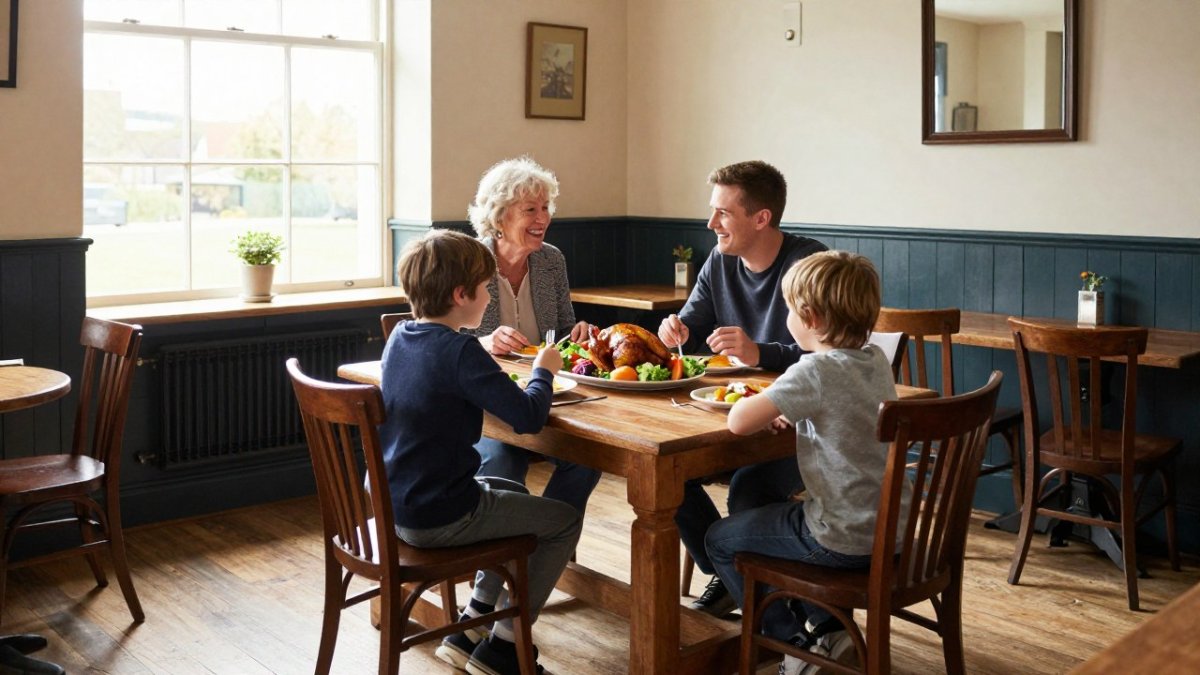
Once the lunchboxes are packed and the school run is done, the next question is often where to eat together as a family. Goose by the Green in Crosby is a family-friendly pub and restaurant built for exactly that, with a 150" screen for the match, private dining on the mezzanine, and a nutritious, affordable menu for all ages. Families can see the menu before deciding, then book a table for a relaxed meal out.
Packing waste-free lunches week after week is easier when the family meal out is sorted too. Goose by the Green offers a family-friendly atmosphere, a 150" screen for live sport and private dining on the mezzanine, all with nutritious, affordable food for every age. Get started with Goose by the Green and book a table for your next family meal out.
Frequently Asked Questions
What materials are best for an eco-friendly lunchbox?
Stainless steel is a plastic-free option that many families choose for daily use. Silicone is flexible and easy to pack but can absorb smells over time. Bamboo looks good and is lightweight, though it needs hand washing. Recycled plastic is the cheapest route and often the lightest, but check it is BPA-free and food-grade before buying. A 2023 scoping review in PMC noted that schools and policies can help parents provide nutritious and environmentally friendly packed lunches, so match the material to how your child actually uses the box.
Are stainless steel lunchboxes better than plastic ones?
For lifespan, yes. Stainless steel resists staining, does not hold onto food smells and can be recycled at end of life, so one box can replace years of plastic containers. ECOlunchbox has sold 100% plastic-free stainless steel boxes since 2008, which shows the format is well established. Plastic wins on weight and price, and some recycled-plastic options are lighter for younger children to carry. If you want a reusable lunch container that survives the school bag, stainless steel is the safer bet; if weight and budget matter more, choose a BPA-free recycled plastic box.
How do you keep food fresh in a reusable lunchbox?
Use an insulated lunch bag alongside the box, add a small ice pack for dairy or cooked meats, and keep hot food in a separate thermos container. Compartments help because food separation stops soggy sandwiches and keeps fruit from leaking into crackers. Pack chilled items straight from the fridge rather than leaving them out, and avoid packing cut fruit the night before. A leak-proof seal matters too: a box that stays shut keeps moisture in the right compartment instead of across the whole lunch.
Can eco-friendly lunch containers go in the dishwasher or microwave?
It depends on the material, so check the manufacturer's care instructions before you buy. Stainless steel is usually dishwasher-safe but never microwave-safe. Silicone is generally both dishwasher and microwave safe. Bamboo should be hand washed and kept out of the microwave, and natural bamboo lids can warp in hot water. Most recycled plastic boxes are dishwasher-safe on a top rack but not microwave-safe. Buying a box that matches how you actually clean up saves a lot of wasted money.

Comments